The internet is ablaze about pokemon Go. You or your child may have played it. You may have figured out how to use it to promote socialization for your child. If you haven't and even if you have these tips will help you understand how to use pokemon go to its max to help you autistic child. Being someone on the spectrum I have inside knowledge of what to do.
1.UNDERSTAND THE GAME
When I work with someone with autism I look for their interest and how I can use that to my advantage. One example is a client who loved animals. I took him to the zoo, pet shops, and other places with animals. Take the time to learn about the game so you can help your child out the most. There are plenty of youtubers you can watch to get informed I'm watching this guy https://www.youtube.com/user/MoreAliA
2.MAKE YOUR CHILD WORK TO GET THE INFORMATION
While for you it's ok to get all the info at once, you want your children to work to socialize. There is much they have to learn. Have them ask other Go players. So little is explained that you have to ask to get the info. Some good things to ask are
How do you evolve eevee into the form you want
Where are certain pokemon (they appear in different areas) (great for breaking habits)
How does this work
3.GETTING A POKEGROUP STARTED UP
I know I struggled with friends as a child. Although liked I wasn't invited to do things with other often. Pokémon Go gives you the opportunity to make an easy get together event. Just make sure the people your child interacts with are good influences (and watch out for unfair trading when trading comes in)
In a few months they will add new pokemon, and they can keep it up for 3 years learn how to use it as it can help your child out a lot.
Wednesday, July 20, 2016


Tuesday, July 12, 2016
Special in Uniform
I am now representing this organization and raising money for it if you are interested in getting in touch
Monday, July 11, 2016
Sunday, July 10, 2016
Family trip to Israel for people with disabilities
http://rii.ramah.org.il/tikvah-family-trip/


December 20-29, 2016 (in Israel)
Families with children with disabilities are invited to join Ramah Israel and the National Ramah Tikvah Network for the Tikvah Family Israel Trip, led by Howard Blas, Director of National Ramah Tikvah Network. No prior Ramah affiliation needed! Explore Jerusalem, Tel Aviv, Masada, the Dead Sea, and much more.
Ramah Tikvah families together in New York, September 2013
Price:
$3,271 per person in a single room
$2,618 per person in a double room
$2,577 per person in a triple room*
$2,464 per person in a family of three**
$2,368 per person in a family of four***
$2,459 per person in a family of five****
$2,388 per person in a family of six*****
* based on three adults in one triple room.
** based on two adults and one child in one triple room.
*** based on two adults and two children in two double rooms or in one suite.
**** based on two adults and three children in 2 rooms (1 triple room and 1 double room) or a two-bedroom suite.
***** based on two adults and four children in 2 rooms (2 triple rooms) or a two-bedroom suite.
This price includes: nine nights accommodation at hotels/guesthouses (including breakfast), thirteen group meals throughout the trip (including full board on Shabbat), transportation on group bus, entrance fees to sites, Ramah tour educator, Ramah family educator, complimentary sourcebook and map.
Flight info: There will be no group flight. Please reserve a flight that will land in Tel Aviv in time for you to meet the group in Jerusalem at 9:00 am on Tuesday, December 20, 2016. Your return flight should depart from Tel Aviv no earlier than 11:00 pm on Thursday, December 29, 2016.
To join us: Please register here and select “Tikvah Family Israel Trip” from the list of programs on the participant information page.
Questions? Please contact:
Howard Blas – Director, National Ramah Tikvah Network
Adin Rodman – Trip Coordinator, Ramah Israel Institute
Ramah Tikvah Israel Trip participants at Kibbutz Tzuba, December 2015
Ramah Tikvah Israel Trip participants at the Western Wall, December 2013
Saturday, July 9, 2016
Pokemon Go is great for people with autism
To figure out how you can use pokemon go watch this video https://youtu.be/67GAwNbdPwI
If your child is autistic and has the ability to communicate, but is not good at socializing then Pokemon go may get your child excited to get practice to socialize.
A little explanation. Pokemon is a series that is now 20 years old where people play a game (often as a portable video game) where the goal is to catch pokemon or pocket monsters. Before Pokemon GO it was already a good way to connect people as you need to trade pokemon to collect them all, you can battke and so much more.
Now there is an app available for Smartphones with Augment reality is a live direct or indirect view of a physical, real-world environment whose elements are augmented (or supplemented) by computer-generated sensory input such as sound, video, graphics or GPS data to play the same game. The app Pokemon Go is one of the most popular apps now. Why do I say it is good for someone with autism, the answer is so many reasons. First of all to find pokemon you have to get up and go places and not stay inside. Next is the aspect that there are so many other people playing the same game. Many gamers who have been playing the game have come across many others playing the game. This is a great way to get your child in social situations and even make friends. Just make sure your child knows who to friend.
You can find out more about pokmeon go on Pokemon's offical website http://www.pokemongo.com/en-us/
Wednesday, June 29, 2016
10 tips for creating a more inclusive religous organization
http://www.huffingtonpost.com/jennifer-laszlo-mizrahi/10-tips-for-creating-inclusive-religious-organizations_b_6943718.html
Jenifer Laszlo Mizrahi
President, RespectAbilityUSA.org
Jenifer Laszlo Mizrahi
President, RespectAbilityUSA.org
Ilia Torlin via Getty Images
We are a stronger country when religious organizations of all faiths live up to our values — when we are welcoming, diverse, moral, and respect one another. People with disabilities and our families have the same hopes and dreams as everyone else, even if they face different challenges.
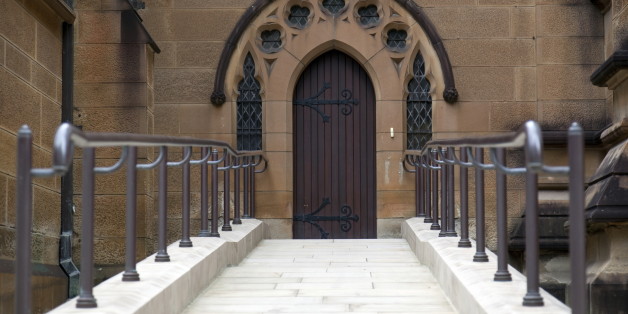
However, as we approach major religious holidays and the eve of the 25th Anniversary of the Americans with Disabilities Act (ADA), it’s important to remember that faith-based organizations were exempted from the ADA. Thus, many churches, synagogues, mosques and other religious organizations are not yet fully inclusive of people with disabilities.
This is a big challenge as fully one in five Americans (56 million Americans) has a disability. Thus, by ensuring that those who want to be a part of the community are welcomed, respected and valued, we can be a stronger and better nation.
Together we can build more inclusive faith-based communities where our children, parents, grandparents, and other family and friends with disabilities have an equal opportunity to fully participate. Here are 10 tips to do just that:
1. Communicate that all people are of equal value and are to be respected and openly welcomed. Clergy and CEOs of religious organizations, lay leaders, philanthropists, and faith-based media all set the vision, mission and tone of faith-based communities. Leadership must be intentional, not accidental. Inclusion of all must be embedded in policies, budget, staffing and practice.
2. Work with people with disabilities, not for them. People with disabilities want a seat at the table and to be involved in decision-making. If there are no people with disabilities participating in your decision-making process, invite them in. Value their experiences and opinions. Even people who are unable to speak have opinions that must be shared and heard. Remember the mantra: Nothing about us without us. And keep in mind that people with disabilities don’t want to be objects of pity — they want to contribute to making this world a better place, just like anyone else.
3. Take the time to learn “people-first language,” which respects human beings and their rights to be appreciated for the strengths they have, rather than to be defined by their disabilities. An example of people-first language is referring to a child with Down syndrome by his or her name, not “the kid with Down syndrome.” Or, worse yet, the “Down-syndrome kid.” A person who uses a wheelchair is a person first. Their wheelchair is a tool of liberation, and he or she is not “wheelchair-bound.” People-first language puts the focus back on people by speaking of “people with disabilities” (PwDs), not “handicapped” or “the disabled.” It costs nothing to use different language and it goes a long way to making people feel respected and valued.
3. Take the time to learn “people-first language,” which respects human beings and their rights to be appreciated for the strengths they have, rather than to be defined by their disabilities. An example of people-first language is referring to a child with Down syndrome by his or her name, not “the kid with Down syndrome.” Or, worse yet, the “Down-syndrome kid.” A person who uses a wheelchair is a person first. Their wheelchair is a tool of liberation, and he or she is not “wheelchair-bound.” People-first language puts the focus back on people by speaking of “people with disabilities” (PwDs), not “handicapped” or “the disabled.” It costs nothing to use different language and it goes a long way to making people feel respected and valued.
4. Ensure all program registration and sign-up forms include questions about accommodations people may need to fully participate. Not all programs can meet every need, but often all we need to do is ask. Starting such conversations lets people know you care about including them. When participants indicate they need an accommodation (i.e. sign language, more time to transition from one activity to another, extra tutoring etc.) their forms must go to the inclusion director/coordinator so he or she can ensure that their needs can be met. If you have a question about what a person with a disability needs in order to participate in a program, the solution is easy: ask them!
5. Trust is vital — and must be established before even meeting face to face with a person with a disability. How can you do this? Go beyond encouraging people to share their needs on registration forms. When people share their needs, respect their privacy by treating it just as you would healthcare information. Also, those working with children with disabilities will find that parents can be your best assets: they are already experts in meeting their children’s needs and can help you serve them successfully.
6. Spread the word in your marketing and social media that all people - with and without disabilities — are welcomed and appreciated. Showcase photos of people with disabilities enjoying your programs next to their “typically developing” peers. This sends a message that all are welcomed and valued. Websites, Facebook, Twitter and media can be important tools for sharing your values and what you offer. Post your diversity policy on your website and ensure it states that you are open to all, regardless of ability. Work to make your website easy to navigate and accessible to people who are blind and deaf. Post all of your videos on YouTube, which helps people who are hearing-impaired by creating free captions.
7. Inclusion is a lot less expensive than most people think, but it still takes the right team and training to do it effectively. All religious organizations, schools, camps and other institutions should have trained staff or provide effective training for existing staff in order to achieve success. Also critical is making changes to buildings so they accommodate those with disabilities. Professional training sessions and materials are vital to prepare staff and community for successful inclusion, and much of it is available online and for free.
8. Provide an inclusion director/coordinator to ensure your organization is ready to meet the needs of community members with disabilities. This does not need to be expensive. Trained professionals can be hired on a part-time basis and many people are willing to work as volunteers. Numerous special educators, therapists and social workers working in public schools or other institutions may be available to work, consult or volunteer part-time.
9. Make a commitment to enable people with and without disabilities to develop peer relationships, build social skills and respect and accept each other. In many institutions, one-on-one counselors and educators who provide support to children with more involved disabilities may mistakenly think their job is to be a child’s best friend. It’s not. Their role should be to “aid and fade” so that children with disabilities can make friends with their typically developing peers, and children without disabilities can enjoy diverse friendships as well. Moreover, it’s not a staff member or counselor’s job to fix every problem or constantly hover over participants. Instead, they should help children or adults with disabilities discover solutions on their own. At times a teacher or counselor will need to assist people with disabilities, either physically or in a conversation to meet their needs. But once the immediate need is met, it is important that people are given the space to be as independent as possible.
10. Put diverse and qualified people with and without disabilities on your staff, board and committees. Non-profit and for profit agencies alike should reflect the people they serve. This includes being models for involving qualified people with disabilities. In addition to developing programs with people with disabilities, they should also employ them and make use of their great talents. Organizations can encourage their members to offer internships to young people with disabilities or serve as ‘job coaches’ to help teens with disabilities get on track to a life of independence and success.
10. Put diverse and qualified people with and without disabilities on your staff, board and committees. Non-profit and for profit agencies alike should reflect the people they serve. This includes being models for involving qualified people with disabilities. In addition to developing programs with people with disabilities, they should also employ them and make use of their great talents. Organizations can encourage their members to offer internships to young people with disabilities or serve as ‘job coaches’ to help teens with disabilities get on track to a life of independence and success.
We all have hopes, dreams, and a desire to contribute to making a better world. By being intentional about opening our doors to all people no matter their differences, everyone benefits. Each person with a disability, just like those without disabilities, has strengths, purpose, equal value and a place in the community.
Tuesday, June 28, 2016
How to expand access to people with disability
I had the fortune recently to make connections with an organization called yad chazakah who do some work on helping people with disabilities get better access in their communities.
They have sheets with good outlines for how to help provide better access
You can find it on their website and see the other good things they do:
http://www.yadempowers.org/strengthening-our-communities/#expanding-access
They have sheets with good outlines for how to help provide better access
You can find it on their website and see the other good things they do:
http://www.yadempowers.org/strengthening-our-communities/#expanding-access
Subscribe to:
Posts (Atom)